


FAQ
Which battery is best for a solar inverter?
Lithium Iron Phosphate or LFP batteries are considered the best choice for solar inverters due to their long lifespan, high efficiency, and low maintenance. They offer thousands of charge cycles and stable performance, making them ideal for reliable long term solar energy storage in modern systems.
What kind of batteries are used in solar energy storage?
Solar energy storage systems mainly use lithium ion batteries, especially Lithium Iron Phosphate or LFP. These batteries are preferred because they last longer, store energy efficiently, and need very little maintenance. Lead acid batteries are also used in budget or legacy systems but are becoming less common.
How is solar energy stored in batteries?
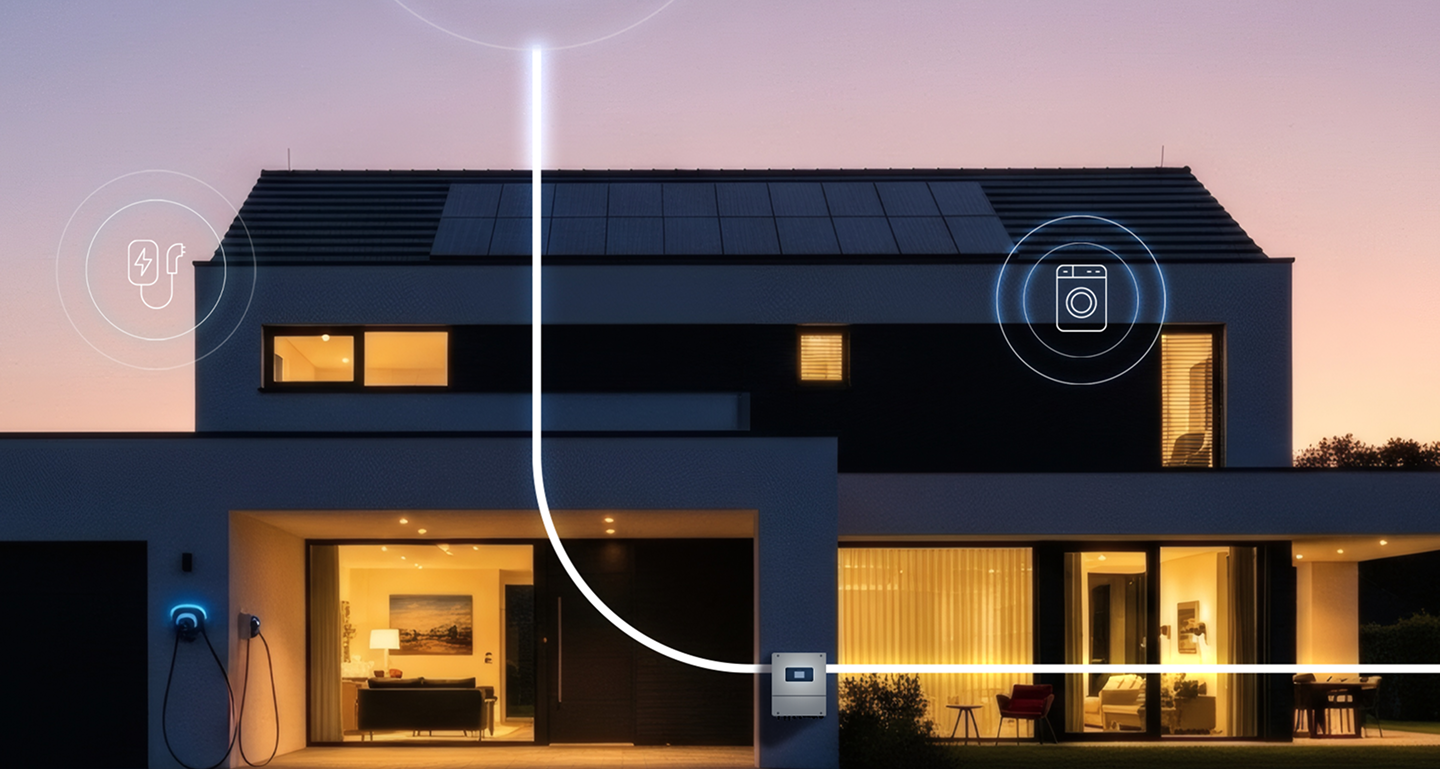
Solar energy is stored by converting sunlight into DC electricity through solar panels and sending excess power to a battery. Inside the battery, the energy is stored using a chemical process. When needed, the battery releases this energy and the inverter converts it into usable AC power.
What is the lifespan of a energy storage battery?
The lifespan of a solar battery typically ranges from 5 to 15 years. Lithium ion batteries, especially LFP types, last the longest, often over 10 years. Lead acid batteries have a shorter life. Battery usage, temperature, and charging habits all affect how long it lasts.
What is capacity of Solaire batteries?
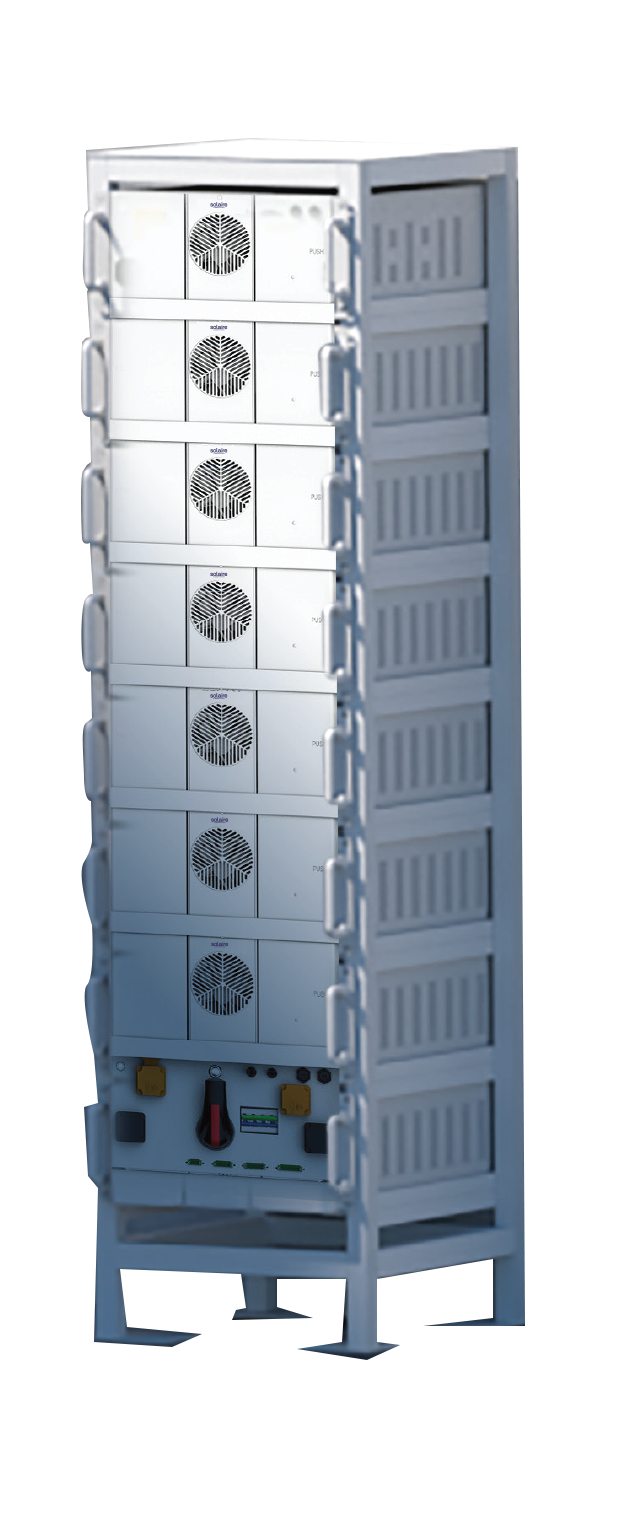
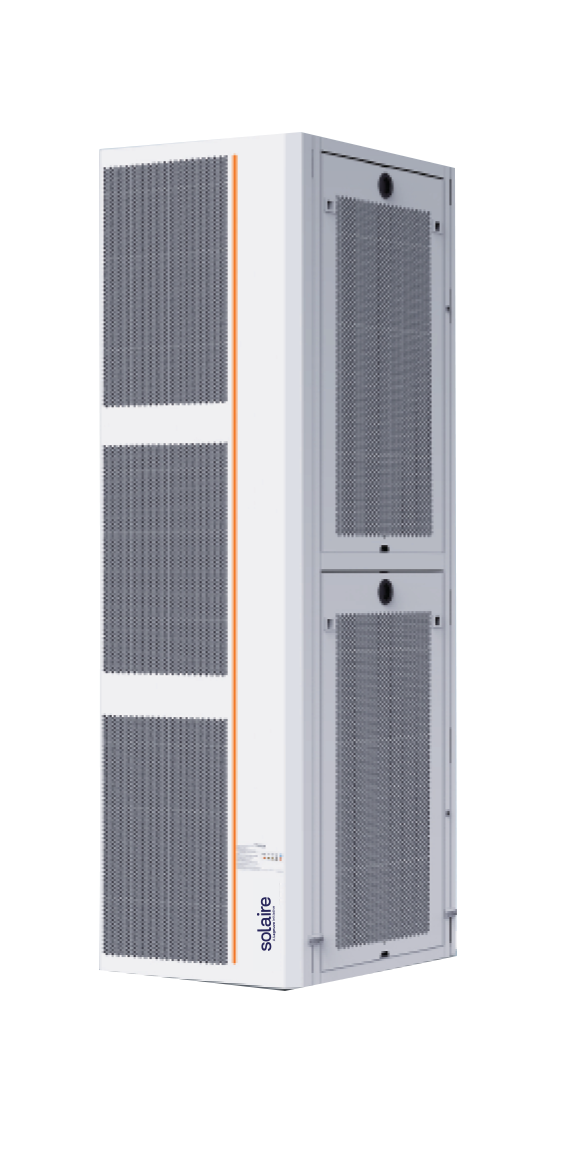
Solaire batteries are modular LFP batteries with a base capacity of 3.6 kWh per module. The system can be expanded by stacking multiple modules, allowing total storage capacity to scale from a few kilowatt-hours up to nearly 60 kWh, depending on project requirements.
What size solar battery do I need (kWh)?
The solar battery size you need depends on how much energy you use daily and how long you want backup power. Most homes need between 5 and 15 kWh. With modular systems like Solaire batteries, capacity can be matched precisely and expanded later if needed.
Do I need a hybrid inverter for batteries, or can batteries work with an on-grid inverter?
To use batteries with a solar system, you generally need a hybrid inverter. Standard on grid inverters cannot manage batteries or provide backup during power cuts. Hybrid inverters are designed to charge batteries, use stored energy, and keep power running when the grid goes down.
What temperature range is acceptable, and do I need heating/cooling for the battery?
Most solar batteries perform best between 15°C and 35°C. Lithium batteries can operate across a wider range, but extreme heat or cold reduces lifespan. In most residential installations, active heating or cooling is not required if the battery has a built in management system, like Solaire LFP batteries.