
Solar Inverter Maintenance Checklist: Maximize Performance and Lifespan
Solar Inverter Maintenance Checklist: Maximize Performance and Lifespan
A solar inverter is the hardest-working component in any solar system, and across Africa's climate, intense heat, dust, humidity, and seasonal storms, that workload is amplified. Solar inverter maintenance isn't an occasional favour to the equipment; it's the single biggest factor separating an inverter that lasts its full rated lifespan from one that fails years early.
Why Maintenance Matters More in African Conditions
Most inverters are tested and rated in controlled laboratory conditions, a clean room at a stable 25°C, no dust, no humidity swings, no salt air. Real-world installations across much of Africa look nothing like that. High ambient temperatures accelerate component aging, dust infiltration clogs cooling systems, and humidity or coastal salt exposure promotes corrosion on terminals and connectors. Thermal stress from poor cooling is consistently identified as the leading cause of premature inverter failure, which makes ventilation and cleaning the two highest-leverage maintenance tasks available.
Daily and Weekly Checks Anyone Can Do
Simple, non-technical observation catches the majority of early warning signs before they become expensive problems. These checks require no tools and no electrical expertise:
- Glance at the inverter display or monitoring app for error codes, warning indicators, or unusual status messages.
- Compare today's energy generation against a similar recent day, accounting for weather.
- Walk past the unit and listen for unusual buzzing, clicking, or fan noise.
- Look for dust or debris accumulating around vents and cooling fans.
- Check that nothing—boxes, tools, or stored materials—has been placed against the inverter, blocking airflow.
Monthly Maintenance Tasks
A slightly more thorough monthly routine, still safe for a non-technician to perform externally, should include:
- Visual inspection for cracks, discoloration, corrosion, or burn marks on the housing.
- Checking that cables and terminals are visibly secure, without touching live connections.
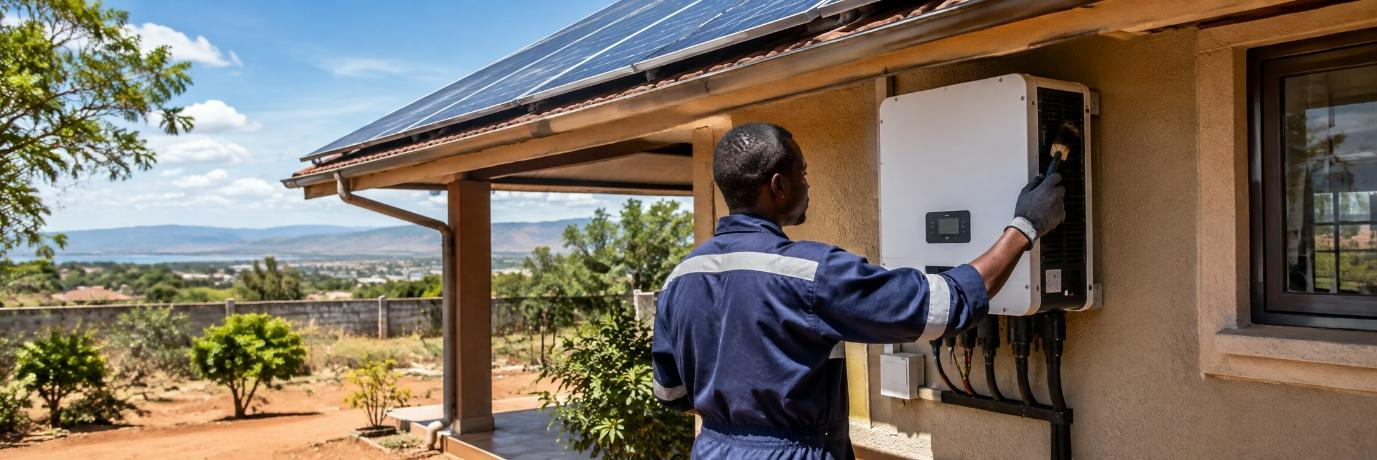
- Cleaning external dust from vents and surfaces using a dry or slightly damp cloth, never spraying water into any opening.
- Confirming the inverter's physical mounting is still secure and not vibrating.
- Reviewing the monitoring platform's historical data for any gradual decline in output.
In particularly dusty environments, air filters (where fitted) should be checked and cleaned monthly during peak heat and dust season, since clogged filters are one of the fastest routes to thermal derating.
Quarterly and Semi-Annual Professional Servicing
Some checks require a qualified technician with proper tools and safety procedures, and should not be attempted by homeowners or untrained staff:
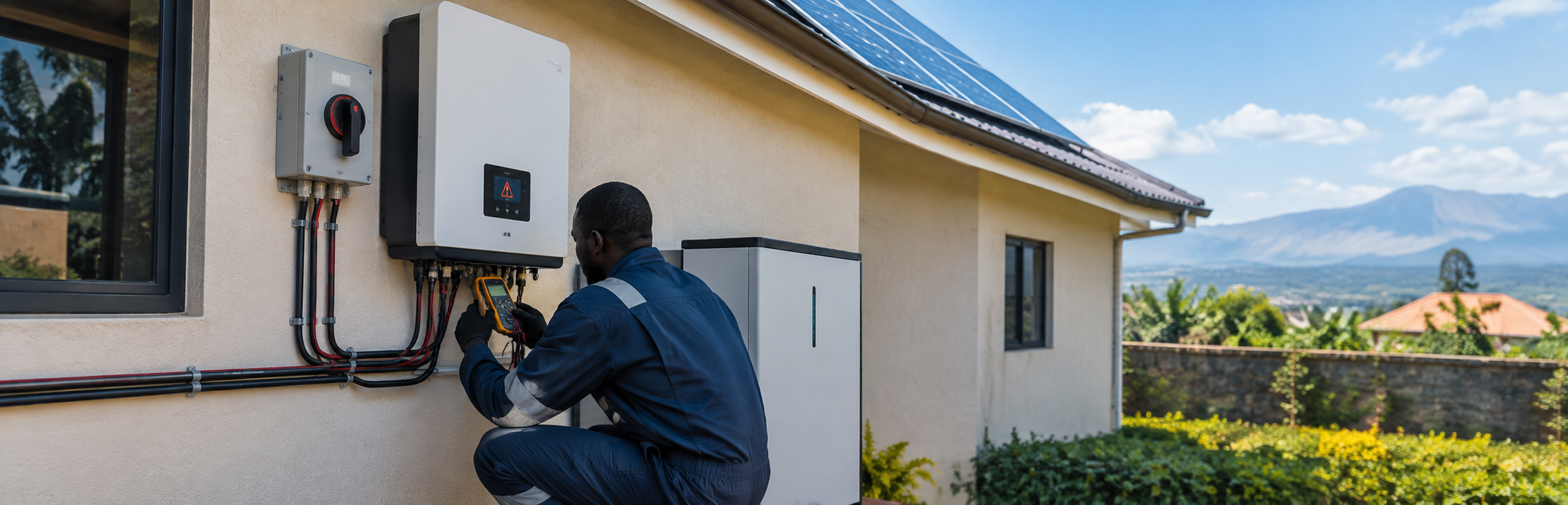
- Thermal imaging of heat sinks, capacitors, and AC/DC terminals to flag any component running hotter than its rated threshold.
- Testing surge protection device (SPD) status indicators and replacing any that show a fault flag.
- DC and AC isolation resistance testing per standard electrical safety protocols.
- Verifying cooling fan RPM and airflow against rated specifications.
- Inspecting enclosure seals, gaskets, and weatherproofing for moisture ingress, especially before and after rainy season.
- Checking BMS (Battery Management System) communication for hybrid systems using RS485, CAN, or Bluetooth protocols.
- Firmware updates applied as per manufacturer recommendations.
Industry guidance generally recommends professional maintenance at least annually, with quarterly checks for string inverters given their higher voltage concentrations, and more frequent six-to-eight-month servicing intervals for systems operating in harsh dust, heat, or coastal environments, conditions common across much of the African continent.
Protecting Against the Biggest Threats: Heat, Dust, and Moisture
Three environmental factors drive the overwhelming majority of inverter issues in African installations, and each has a direct mitigation strategy:
| Threat | Why it matters | Mitigation |
|---|---|---|
| Heat | Accelerates component aging and can trigger automatic thermal derating. | Shaded, ventilated mounting location; heat sinks and fans kept clear. |
| Dust | Clogs cooling vents and filters, reducing airflow and raising internal temperature. | Monthly external cleaning; elevated mounting away from ground-level dust. |
| Humidity/moisture | Promotes corrosion on terminals and connectors, risking short circuits. | Sealed, weatherproof enclosures; desiccants where applicable; dry mounting location. |
A general sizing rule worth remembering during installation review: the connected solar array should generally not exceed about 150% of the inverter's rated power, since consistently overloading an inverter adds unnecessary thermal and electrical stress over its operating life.
Keeping a Maintenance Log
One of the most underused but highest-value habits is keeping a simple maintenance log, recording cleaning dates, inspection findings, any error codes encountered, and when professional servicing was last performed. This log becomes invaluable for spotting patterns (a fault that recurs every dry season, for instance) and for giving a service technician useful history rather than starting diagnosis from zero each time.
A Quick-Reference Maintenance Checklist
| Frequency | Task |
|---|---|
| Daily/Weekly | Check display/app for alerts; compare generation to recent norms; listen for unusual sounds. |
| Monthly | Visual inspection for damage/corrosion; clean external dust; check vent clearance; review historical data. |
| Quarterly | Detailed inspection of mounting, connections, and enclosure seals; clean/replace filters in dusty areas. |
| Annually (minimum) | Professional servicing: thermal imaging, isolation testing, SPD checks, firmware updates, BMS verification. |
The Practical Takeaway
Solar inverter maintenance is not about turning every solar owner into an electrician, it's about building a simple, consistent routine of observation, cleaning, and professional check-ins that catches small problems before they become costly failures. In Africa's demanding combination of heat, dust, and humidity, the inverters that reach, or exceed, their full rated lifespan are rarely the most expensive units; they're the ones that have been watched, cleaned, and serviced consistently from day one.